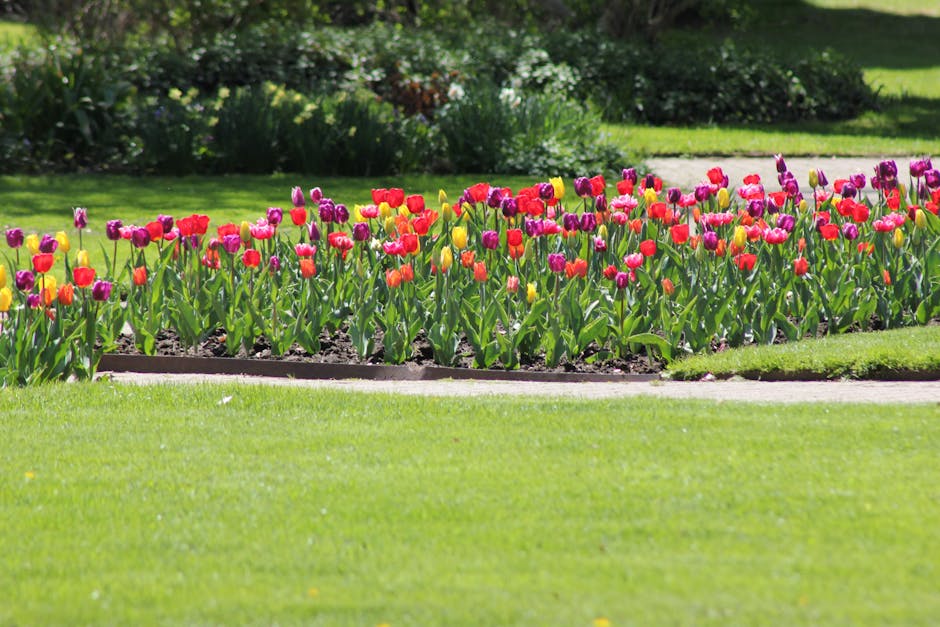
North Sheen gardeners Kew Gardens border care guide
If you are trying to keep a garden border looking calm, layered, and genuinely healthy through the changing seasons, you are in the right place. This North Sheen gardeners Kew Gardens border care guide brings together the practical decisions that make a real difference in local gardens: what to plant, when to cut back, how to feed, how to stop gaps forming, and how to keep borders looking intentional rather than simply busy. In a place like North Sheen, where gardens often have a mix of shade, wind, hard edges, and compact soil, border care is less about perfection and more about rhythm. Get that rhythm right, and the whole garden feels easier to live with.
Below, you will find a clear step-by-step approach, a few professional tricks, and a simple way to judge whether your border needs light maintenance or a fuller refresh. Nothing overcomplicated. Just the sort of guidance that helps you make better decisions on a Saturday morning with a mug of tea in hand.
Table of Contents
- Why this guide matters
- How border care works in practice
- Key benefits and practical advantages
- Who this is for and when it makes sense
- Step-by-step guidance
- Expert tips for better results
- Common mistakes to avoid
- Tools, resources and recommendations
- Law, compliance, standards and best practice
- Options, methods and comparison table
- Case study or real-world example
- Practical checklist
- Conclusion
- Frequently asked questions
Why North Sheen gardeners Kew Gardens border care guide Matters
Border care is the quiet engine of a good garden. The lawn may catch the eye first, and the patio may get all the foot traffic, but it is often the border that decides whether the space feels finished. A well-kept border frames views, softens fences, supports pollinators, and gives the garden a sense of depth. Without that structure, everything can start to look a bit adrift. You know the feeling: one strong plant, a patch of bare soil, a hedge doing half the job, and then a season later the whole thing looks tired.
In North Sheen and the wider Kew Gardens area, borders are often asked to do a lot. They may need to cope with partial shade from buildings or mature trees, patchy rain exposure, heavy clay in some spots, and dry corners in others. Add in narrow side returns, family use, pets, and the occasional windy spell, and border care becomes more than deadheading once in a while. It becomes a maintenance system.
That is why a local guide matters. A border that thrives in one part of London may falter in another if the soil, light, and shelter are wrong. The best garden borders are not the loudest. They are the most balanced. They repeat shapes, carry colour through the year, and recover quickly after pruning or weather stress. If you want your garden to look looked-after rather than just occasionally cleaned up, this is where to focus.
There is also a practical side. Borders that are properly managed suppress weeds, reduce water waste, and protect larger plants from competition. That means less scrambling later. Less rescue work. Less of that "I'll sort it next week" feeling that somehow lasts six months.
How North Sheen gardeners Kew Gardens border care guide Works
Good border care follows a simple logic: prepare the soil, choose the right planting mix, maintain shape, and adjust with the seasons. The sequence matters. If you skip the groundwork, you end up feeding problems instead of plants.
Here is the basic structure professional gardeners tend to follow:
- Assess the site - check light, wind, drainage, and how much root competition exists from nearby trees or hedges.
- Read the soil - is it sandy, clay-heavy, dry, or full of organic matter already?
- Decide the border purpose - privacy, seasonal colour, pollinator value, evergreen structure, low maintenance, or all of the above.
- Build layers - taller plants at the back, medium plants in the middle, ground cover or edging at the front.
- Mulch and feed sensibly - not too much, not too often, and always matched to the plant needs.
- Prune at the right time - because timing can matter as much as technique.
- Revisit seasonally - borders are living systems, not fixed installations.
In practice, this means a border in spring might look open and fresh, then midsummer becomes more about pinching, supporting, and watering, while autumn shifts toward cutback, division, and soil improvement. Winter is not dead time either. It is the moment to assess structure, check for gaps, and decide which plants deserve to stay.
If the term "border care" sounds broad, that is because it is. It can involve hedge trimming, plant replacement, soil enrichment, edging repairs, weed control, and sometimes the occasional rethink. For larger or more demanding gardens, services such as garden maintenance and general gardening services can help keep everything on track without letting one job eat the whole weekend.
Key Benefits and Practical Advantages
Border care is not only about appearances, although that is part of it. A properly maintained border delivers a mix of visible and invisible gains. Some are immediate. Some build over time.
- Sharper curb appeal - a tidy border makes the whole garden read as cared for.
- Better plant health - less crowding means less disease pressure and stronger growth.
- Improved seasonal continuity - with the right mix, something is always doing the work.
- Reduced weeding - ground cover and dense planting leave fewer opportunities for unwanted growth.
- Smarter water use - mulch and soil conditioning help the border hold moisture where it matters.
- More usable space - a border that stays in shape gives room to move, play, and enjoy the garden.
- Long-term savings - regular care often prevents expensive replacement later.
There is another benefit that is easy to miss. A border that is managed well gives the garden a sense of order even when the weather is doing its best to undo that. After a wet week, for instance, a border with strong structure still looks purposeful. A weaker one just slumps. That difference is worth something.
For gardens where privacy matters, borders can work alongside hedging and climbers to create layered screening. If that is part of your plan, it is worth exploring ideas like privacy hedges that still look elegant and evergreen climbers for structure and shade.
Who This Is For and When It Makes Sense
This guide is for anyone who wants better borders without unnecessary fuss. That includes homeowners with small front gardens, families trying to keep a back border neat between school runs, landlords wanting a better first impression, and keen gardeners who have inherited a planting scheme that has become a bit unruly. Been there. It happens.
It also makes sense if you are dealing with one of these situations:
- your border looks good for one month and then collapses into gaps
- plants are competing for light and nutrients
- weeds keep appearing between ornamental plants
- the border feels flat, tired, or mismatched
- you want year-round structure, not just summer colour
- you are planning a refresh and want to avoid costly mistakes
For some people, the border is a weekend project. For others, it is part of a larger garden makeover. If the whole space feels out of sync, it may be worth pairing border work with broader improvements such as landscaping support, hedge trimming, or even a more considered local gardening team to help shape the plan.
Border care is especially sensible when you are preparing for a season change. If winter is around the corner, look at the plants that need support now rather than later. A useful companion read is how to strengthen garden plants for winter survival, which fits neatly with border preparation.
Step-by-Step Guidance
Let us make this practical. The following steps are what a careful gardener would do when refreshing or maintaining a mixed border in North Sheen or near Kew Gardens.
1. Start with a proper assessment
Look at the border in daylight and again later in the day if possible. Notice where shade falls, where the soil dries fastest, and where water collects after rain. You do not need to be scientific about it, but you do need to be observant. A border that is dry at the front and damp at the back will ask for different plants and different care.
2. Clear out dead material and weak growth
Remove broken stems, spent annuals, and anything that has clearly finished its cycle. This opens the border up and stops problems hiding in the middle. Be a bit ruthless here, but not overzealous. Some seed heads and winter stems provide texture and shelter. Leave the strong stuff that still has a job to do.
3. Deal with weeds properly
Surface weeds are the obvious part. The harder part is the persistent rooty ones that reappear like they pay rent. Hand-weeding after rain is often easiest because the soil gives a little. For tougher infestations, a layered approach helps: clear, mulch, and then monitor. If weeds are becoming a recurring problem, the article on weed control techniques is a sensible next read.
4. Improve the soil before adding more plants
Most borders do better when the soil is opened up, fed with compost, and topped with a mulch that suits the planting style. In a London garden, the soil can be compacted from years of foot traffic or simply tired from overuse. A light feed and a decent organic mulch often make a noticeable difference within weeks. Not magic. Just good groundwork.
5. Check spacing and layers
Good borders are layered like a quiet conversation. Taller plants at the back, medium growers in the middle, lower plants toward the edge. This is not just for looks; it improves air circulation and lets each plant do its job. If one specimen has swallowed its neighbour, divide or move it. If the front edge feels empty, add ground cover or compact perennials.
6. Prune and shape with intention
Some plants want a light trim, others need a more decisive cut. Shape matters because borders should feel deliberate, not sheared into submission. For inspiration on form and structure, you may find hedge trimming as a design tool useful, especially if the border connects with hedging or clipped evergreens.
7. Water correctly, not just frequently
Newly planted borders need deep watering to encourage roots downward. Established borders may need less water than people assume, but they need it at the right moments. Early morning is usually best in warm weather. A quick sprinkle every day can do less good than a proper soak twice a week. Slightly annoying, but true.
8. Finish with edging and mulch
A crisp edge changes everything. It gives the border definition and makes mowing, sweeping, and general upkeep much easier. Once the edge is tidy, mulch around the plants without burying their crowns. You want the soil covered, not the stems smothered. That small detail matters a lot.
| Border task | Best timing | Why it helps |
|---|---|---|
| Weeding | After rain or after watering | Roots lift more easily and disturbance is lower |
| Mulching | Spring or autumn | Helps retain moisture and suppress weeds |
| Dividing perennials | Usually spring or early autumn | Rejuvenates overcrowded plants and fills gaps |
| Hard pruning | Depends on species | Encourages fresh growth without weakening structure |
| Edging | Throughout the growing season | Sharpens the visual line and keeps grass out |
Expert Tips for Better Results
Some border problems are not obvious until you have seen them a few times. These are the little things that tend to separate a decent border from a genuinely good one.
- Repeat plants in groups. A border with repeated shapes feels calmer than one with a single specimen every two metres.
- Use evergreen structure sparingly but consistently. It keeps the border readable in winter and avoids a bare, apologetic look.
- Mix flower times on purpose. One plant should hand over to another, not all peak at once and leave a gap.
- Watch the edge. Borders often fail at the front line first. Creeping grass, bare soil, and collapsed stems usually start there.
- Think in textures, not just colours. Fine leaves beside bold leaves, upright beside mounding, soft beside structural. That is what makes a border feel layered.
- Plan for the plant after it has grown up. A tiny nursery pot can become a bossy half-shrub by year two.
One of the best bits of advice I ever heard from a seasoned gardener was simple: "Leave a little room for the plant you forgot would get bigger." That sounds obvious now, but it saves a lot of pruning later. Probably more than people want to admit.
If your border is also being used to define a calmer part of the garden, you might enjoy ideas from zen garden techniques or even the practical design thinking in simple, time-saving garden design.
Common Mistakes to Avoid
Border care goes wrong in predictable ways. That is good news, because predictable mistakes are fixable.
- Overcrowding - too many plants may look full for a month, then everyone suffers.
- Ignoring soil health - planting into tired soil is like asking a runner to sprint without breakfast.
- Cutting at the wrong time - some plants hate being chopped back too early or too hard.
- Using only annual colour - it gives a short burst but little structure.
- Forgetting seasonal maintenance - borders need different attention in spring, summer, autumn, and winter.
- Leaving the front edge untidy - once the edge goes, the whole border reads as messy.
Another subtle mistake is choosing plants for the picture in your head rather than the actual site. A brilliant-looking plant can be the wrong plant if your border is shaded, windy, or root-bound. That is why local conditions matter so much. You are not gardening in a catalogue spread. You are gardening in North Sheen, with real weather, real soil, and real constraints.
And to be fair, the garden does not care how much you spent on the plant if the roots cannot breathe.
Tools, Resources and Recommendations
You do not need a van full of equipment to care for a border properly. A few reliable tools and some sensible habits will take you a long way.
- Border fork or hand fork - for loosening compacted soil and teasing out weeds.
- Sharp secateurs - clean cuts are kinder to plants and easier on the gardener.
- Spade or edging tool - for crisp definition along lawn and path edges.
- Watering can or hose with control - especially useful for newly planted sections.
- Organic mulch - composted bark, leaf mould, or well-rotted material where appropriate.
- Plant ties and supports - useful for taller perennials and anything exposed to wind.
- Gloves and kneeler - small comfort, surprisingly big difference.
For gardens with wider maintenance needs, it can help to combine border work with related services such as lawn care, lawn mowing, or patio cleaning. A neat border looks even better beside a tidy hardscape. Funny how that works.
If you are updating a border as part of a bigger outdoor refresh, the seasonal and practical notes in garden makeover planning can help you think in the right order rather than trying to fix everything at once.
Law, Compliance, Standards, or Best Practice
Border care is mostly practical horticulture, but there are a few sensible UK best-practice points worth keeping in mind. If you hire help, expect clear communication around access, working methods, waste handling, and any risks posed by tools or plants. Reputable garden services usually work with straightforward safety procedures and appropriate insurance, especially where cutting tools, ladders, or heavier machinery are involved.
It is also wise to be mindful of shared boundaries, neighbouring property, and plant spread. Overhanging growth, roots, and boundary hedging can become awkward if ignored for too long. The least stressful approach is always to keep things tidy, document any major changes, and speak early if a border near a fence, wall, or shared line may affect someone else.
For service expectations, the most useful standards are not flashy. They are simple: clear quotations, transparent scope, safe working habits, respectful site care, and tidy cleanup. If you are comparing help, pages like health and safety information, terms and conditions, and payment and security can offer a clearer sense of how a professional outfit works.
On a practical level, that matters because border care often involves small but frequent decisions. Which stems can wait? Which ones should be cut now? Which roots can be lifted without stress? Best practice is really just careful judgement, repeated consistently.
Options, Methods, or Comparison Table
Different border styles suit different gardens. The right method depends on how much time you have, how much structure you want, and whether you prefer a polished finish or a looser, softer look.
| Method | Best for | Pros | Trade-offs |
|---|---|---|---|
| Formal mixed border | Structured gardens, front gardens, defined spaces | Looks smart, gives year-round shape | Needs more regular shaping and planning |
| Naturalistic border | Soft, relaxed gardens and wildlife-friendly spaces | Lower-friction maintenance, more movement | Can look untidy if not edited seasonally |
| Low-maintenance border | Busy households and smaller gardens | Less ongoing work, simpler upkeep | Fewer flowering layers if over-simplified |
| Evergreen-led border | Privacy, winter structure, shade areas | Reliable shape and continuity | Can feel heavy if not balanced with softer planting |
For many North Sheen gardens, the best answer is a blended one. A little evergreen structure, a few seasonal stars, some low ground cover, and a clear edge. That combination tends to age well. It is not dramatic, but it works. Which, in a garden, is a pretty excellent thing.
Case Study or Real-World Example
Imagine a typical terraced garden near Kew Gardens with a long rear border, partial afternoon shade, and a narrow strip that never seems to stay tidy. The first year might look promising after planting, but by midsummer the taller perennials lean out, the front edge gets swallowed by grass, and a few gaps appear where weaker plants never really settled.
A practical border care plan in that garden would probably look like this:
- remove overcrowded stems and anything failing to establish
- improve the soil with compost and a light mulch
- replace failed plants with varieties better suited to shade and root competition
- repeat taller structural plants at intervals instead of scattering single specimens
- add an evergreen anchor to keep the border readable in winter
- define the edge so the lawn and border stop invading each other
After one season of proper attention, the same border can feel calmer and much easier to manage. Not perfect. Gardens rarely are. But better rooted, better shaped, and far less reactive. The shift is often noticeable before the flowers even arrive. You look out the window and think, yes, that feels sorted now.
If a garden is being redesigned from scratch or partly reworked, the ideas in creating a herb oasis and choosing effective ground cover can be surprisingly useful for border planning too.
Practical Checklist
Use this simple checklist before, during, or after border work. It keeps things grounded.
- Check how much sun, shade, and wind the border actually gets.
- Remove dead stems, spent annuals, and weak or diseased growth.
- Weed thoroughly, especially around crowns and root zones.
- Improve soil with compost or suitable organic matter.
- Mulch bare soil without burying plant stems.
- Group plants in repeating layers for a calmer look.
- Cut back or divide overcrowded perennials if needed.
- Water deeply rather than giving frequent light sprinkles.
- Reinforce the edge so grass and weeds do not creep in.
- Plan the next season, not just the next weekend.
Expert summary: the strongest borders are not built on constant intervention. They are built on good soil, sensible planting choices, clean structure, and seasonal attention. Get those four things right, and the rest becomes much more manageable.
If border care is only one part of a bigger outdoor refresh, you can also look at fencing for boundary definition or decking services where hard landscaping needs balancing with planting. Sometimes the garden needs a little choreography, that is all.
Get a free quote today and see how much you can save.
Conclusion
A well-cared-for border does more than frame a garden. It settles the whole space. It gives the eye somewhere to rest, supports the plants that need room to breathe, and makes seasonal change feel intentional instead of chaotic. For North Sheen gardens, and for anyone managing a border near Kew Gardens, the best results usually come from a simple pattern: assess honestly, improve the soil, plant for the site, and maintain with the seasons.
You do not need to do everything at once. In fact, trying to do so is often how good borders get muddled. Start with the edge, then the structure, then the gaps. Keep going patiently. The border will tell you what it needs if you look closely enough. And once it begins to come together, the whole garden feels lighter. A bit more yours.
When you are ready for tailored help, it is worth reaching out through the contact page so the next steps can be shaped around your garden rather than a generic template.
Frequently Asked Questions
What is border care in a garden?
Border care is the ongoing maintenance of planted edges in a garden, including weeding, pruning, feeding, mulching, spacing, edging, and replacing failed plants. It keeps the planting area healthy and visually balanced.
How often should a garden border be maintained?
Most borders benefit from light attention every few weeks during the growing season, plus bigger seasonal tasks in spring and autumn. Busy or high-impact borders may need more frequent checks.
What makes a border look tidy all year round?
A mix of evergreen structure, repeated planting, well-kept edges, and seasonal interest usually does the job. If everything flowers at once and then disappears, the border tends to feel empty later on.
Do I need a professional gardener for border care?
Not always. Smaller, simpler borders can often be maintained by a homeowner. But if the planting is overgrown, the soil is poor, or the border needs reshaping, professional help can save time and reduce mistakes.
When is the best time to cut back perennials?
It depends on the plant. Some perennials are best cut back in autumn, while others are left until late winter or early spring for structure and wildlife value. If you are unsure, identify the species first rather than guessing.
How do I stop weeds from taking over a border?
Combine regular hand-weeding with mulching and denser planting. Bare soil is an open invitation to weeds, so the less exposed soil you leave, the easier maintenance becomes.
What are the easiest plants for a low-maintenance border?
That depends on light and soil conditions, but in general, robust perennials, well-chosen evergreens, and tough ground cover plants are the safest starting points. The right plant for the site matters more than the fanciest label.
How can I improve a tired border without starting over?
Start with soil improvement, remove dead or failing growth, repeat a few key plants, and define the edge. Those changes alone can transform a border before any major redesign is needed.
Should I mulch every year?
In many borders, yes, a regular mulch helps. It supports moisture retention, suppresses weeds, and improves soil as it breaks down. The exact material and timing should suit the plants and site conditions.
Can border care help with privacy?
Yes. Borders can work with hedges, climbers, and layered planting to soften views and improve screening. If privacy is part of the brief, structure matters as much as height.
Is there a difference between border maintenance and general garden maintenance?
Yes. Border maintenance focuses on planted beds and edges, while general garden maintenance can include lawns, paths, hedges, trees, and other parts of the outdoor space. They often work best together.
How do I know if my border needs replanting?
If large patches stay bare, plants repeatedly fail, or the border looks thin even after feeding and pruning, replanting may be the smarter option. A healthy border should feel full but not crowded.