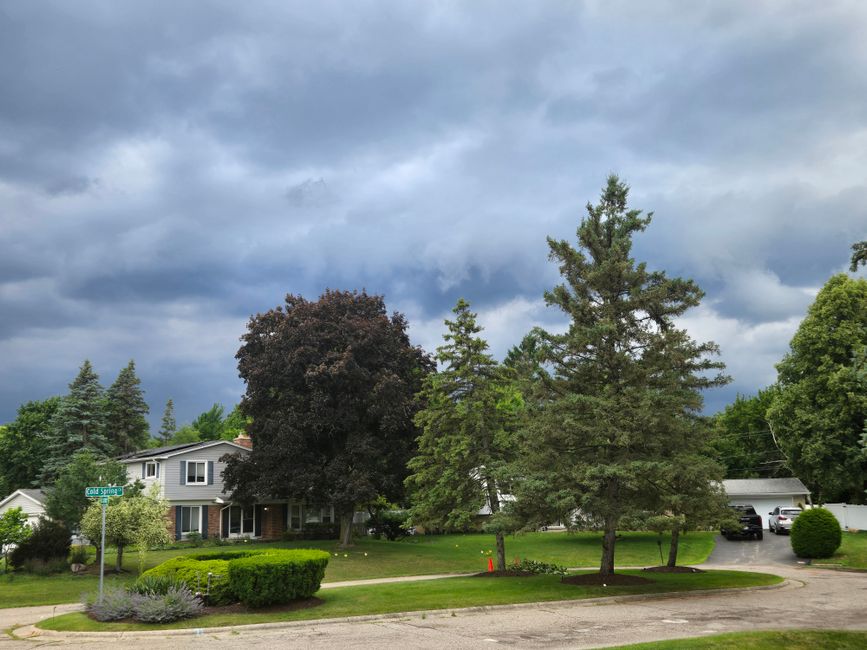
Insider tips for small front yards on Upper Richmond Road
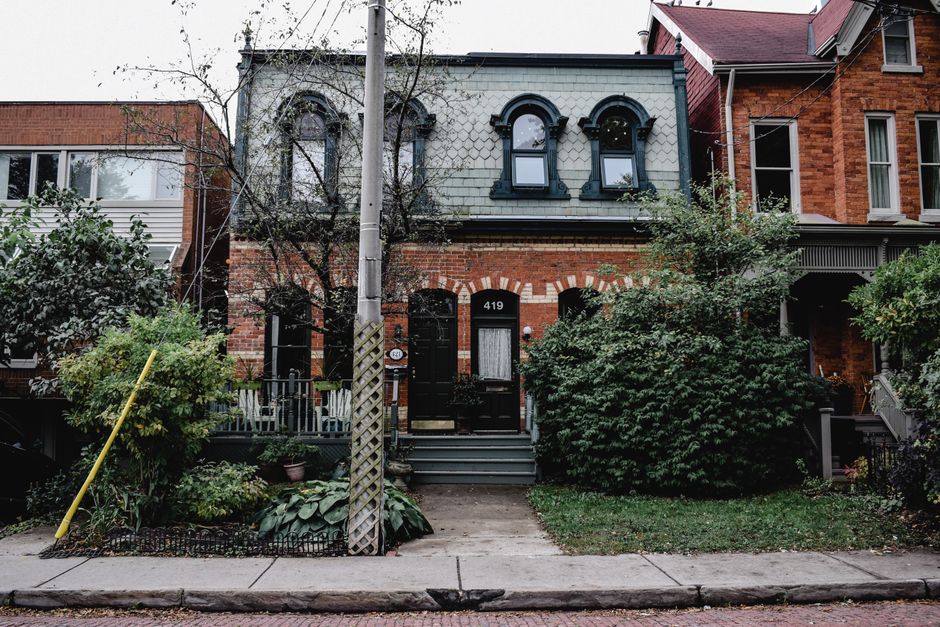
If your front garden on Upper Richmond Road feels more like a narrow pause between pavement and doorway than a proper yard, you are not alone. Small front spaces in this part of London have to work hard: they need to look good from the street, handle daily foot traffic, stay manageable, and still feel welcoming. The good news? With the right planning, a compact front yard can look sharper, greener, and far more spacious than it really is.
This guide shares practical, local-minded insider tips for small front yards on Upper Richmond Road, from layout tricks and planting choices to maintenance habits that save time and prevent that cluttered, tired look. Whether you want a neat first impression, a little privacy, or simply a front garden that does not become a weekly headache, the ideas below are built for real homes and real life.
Expert summary: In a small front yard, every choice matters twice. Keep the palette simple, the lines clean, and the maintenance realistic, and the space will feel bigger almost immediately.
Why Insider tips for small front yards on Upper Richmond Road Matters
Small front gardens are often judged in seconds. A passer-by sees the frontage before they see anything else, and you feel that every time you arrive home. On a busy road like Upper Richmond Road, the front yard is doing a lot of heavy lifting: softening the hard edge of the house, improving kerb appeal, and making the whole property feel cared for.
It also needs to survive London reality. Delivery bikes, overspill bins, wet winters, the odd muddy shoe, and not much spare time. A front yard can quickly drift into a bit of a muddle if the planting is too dense, the path is awkward, or the materials are chosen for looks only. To be fair, most people do not need a grand design. They need a smart one.
That is where the real value lies. Good small-space front garden design is not about cramming in more features. It is about trimming away the noise so the good bits stand out. A narrow border, one or two evergreen focal points, and a clear route to the door can make a space feel twice as generous. And yes, it can also make the house feel more looked after without adding a mountain of work.
For homeowners, landlords, and even long-term renters who want the frontage to look tidy without turning into a weekend project, the best advice is usually the simplest: plan for how the space is actually used, not how you wish it were used. That mindset changes everything.
How Insider tips for small front yards on Upper Richmond Road Works
The basic principle is straightforward: make the front garden look broader, cleaner, and calmer by controlling lines, layers, and maintenance. In a small yard, the eye needs a path. If the space is visually noisy, it shrinks. If the space has a clear structure, it expands.
There are four parts to that structure:
- Space planning - deciding where people walk, where plants sit, and what needs to stay accessible.
- Visual balance - using height, repetition, and colour restraint so the garden does not feel crowded.
- Low-fuss planting - choosing plants that suit the light, the frontage, and the amount of care you realistically want to give.
- Routine upkeep - small, regular maintenance that stops the garden from slipping into that slightly tired look.
The trick is not to make the yard sterile. A front garden should still feel alive. But there is a difference between "alive" and "overfull". One well-placed evergreen shrub, a small tree with neat form, or a simple run of seasonal colour can lift the space more than a jumble of mismatched pots ever will.
In practical terms, the process usually starts with a quick audit: what is working, what gets in the way, and what is creating clutter? That might mean a cracked edge, a hedge that has grown too wide, a patch of lawn that never quite thrives, or a row of containers that look fine in June but messy by November. Once those pressure points are clear, the rest becomes easier.
Key Benefits and Practical Advantages
A well-designed small front yard offers more than a nicer view from the street. It solves everyday problems in a way that feels calm rather than complicated.
- Better kerb appeal: Clean lines and balanced planting make the entrance feel cared for.
- More usable space: Smart layout can create room for bins, bikes, or access without looking improvised.
- Less maintenance stress: Simpler planting means fewer pruning battles and less constant tidying.
- Improved light and openness: Lighter materials and restrained planting help compact spaces breathe.
- Stronger privacy without bulk: Careful screening can soften views from the road while keeping the frontage open.
- Better year-round appearance: A mix of evergreen structure and seasonal interest keeps the garden from going flat in winter.
There is also a psychological benefit, which people do not always mention. When your front garden looks tidy, the whole home feels more settled. You notice it on dark evenings when you come back with shopping bags, or on quiet mornings when the street is still and the hedge smells fresh after rain. Little things, but they matter.
For anyone comparing professional help with doing it yourself, a good rule of thumb is this: if the space is already overgrown, uneven, or awkwardly laid out, a proper reset usually pays off faster than patching it bit by bit. Services such as garden maintenance, landscaping, or garden clearance can be useful where the job has outgrown a simple tidy-up.
Who This Is For and When It Makes Sense
This approach suits a wide range of homes along and around Upper Richmond Road. If your front yard is narrow, shallow, partly paved, or oddly shaped, you will probably benefit from a more disciplined plan rather than a feature-heavy one.
It is especially useful if you are:
- a homeowner wanting a smarter first impression
- a landlord trying to keep the frontage neat between tenancies
- a busy family needing low-maintenance access and storage space
- someone who likes plants but does not want weekend-heavy upkeep
- dealing with an overgrown front border, hedge, or lawn that no longer suits the scale of the property
It also makes sense if the front garden has become a compromise space. Maybe bins have crept onto the path, the lawn is patchy because of shade, or the old shrubs are too big for the width of the bed. Happens all the time. The solution is rarely "more stuff". It is usually better proportioning, cleaner edges, and a few decent planting decisions.
If you are weighing up what should be kept, pruned, or removed, a specialist eye can help. Tree work, in particular, needs judgement. For anything involving larger branches, root pressure, or safety concerns, the relevant support is usually more appropriately handled through tree surgery or, where necessary, tree lopping and removal.
Step-by-Step Guidance
Here is a practical way to tackle a small front yard without getting lost in options.
1. Start with the circulation route
First, stand at the gate and walk to the front door. What feels cramped? What gets caught underfoot? The route should be obvious and comfortable. If the path is too narrow, awkwardly edged, or constantly interrupted by planting, fix that first. A small garden feels larger when movement is simple.
2. Decide what the space must do
Not every front yard needs to do everything. Choose the main job: looks, access, privacy, screening, or storage concealment. If you try to make a tiny area do all five, it tends to wobble. A front garden that has one clear purpose is usually the nicest one.
3. Remove visual clutter
Clear away tired pots, oversized ornaments, cracked edging, and plants that no longer suit the scale. This part is oddly satisfying. You know the feeling: the garden suddenly seems to inhale. If the frontage has become cluttered, a proper reset from garden clearance can give you a much cleaner starting point.
4. Keep the planting scheme tight
Use a small number of plant types, repeated in sensible groups. A repeating pattern is calmer than a mixed jumble. Choose plants that suit the light and the local conditions, then resist the temptation to add "just one more". That one more is usually the one that tips the balance.
5. Build structure with shape, not bulk
In small front gardens, shape matters more than sheer volume. Rounded shrubs, clipped hedges, and simple container groupings often work better than sprawling planting. You want the eye to move easily across the space.
6. Make maintenance easy from the start
Use edging that is straightforward to keep tidy. Choose surfaces that can be swept quickly. Keep access to the bins, meter, or side gate clear. If you are setting up a scheme that needs constant trimming to stay respectable, it is probably the wrong scheme.
7. Finish with one focal point
One focal point is enough. That could be a small standard tree, a better-quality planter, a tidy bench, or a neatly framed front step. A front garden without a focal point can feel a bit unfinished, while too many focal points just create noise.
Simple, really. But not simplistic.
Expert Tips for Better Results
These are the little decisions that tend to separate a tidy front yard from one that quietly looks polished all year.
- Use repetition. Two or three repeated shapes feel intentional. Randomness usually reads as clutter in a tiny space.
- Prefer vertical interest over spread. A slim upright shrub or trellis-style feature often works better than a plant that sprawls sideways.
- Keep colour disciplined. Too many flower colours can make a small yard feel busy. A simple palette is easier on the eye.
- Don't over-mulch. A neat layer of mulch can help, but too much looks bulky and slightly artificial.
- Think in seasons. Evergreen structure plus a few seasonal changes gives more interest than a bedding display that peaks for three weeks and then sulks.
- Match materials to the house. Brick, render, painted railings, and paving should feel like they belong together.
One especially useful tip: keep the planting close to the wall or boundary only where it adds depth, not where it blocks the view. Small front gardens benefit from borrowed depth. The eye likes to look past something. That tiny visual trick is doing a lot of work.
And if you are unsure whether a hedge or shrub is helping or hindering, step back to the pavement and view it as a stranger would. Harsh, maybe. Effective? Very.
For ongoing upkeep, a dependable lawn mowing or hedge trimming routine can stop the frontage from drifting out of proportion. In many small gardens, the biggest improvement is not a redesign, but consistency.
Common Mistakes to Avoid
Small front yards are unforgiving, which sounds dramatic but is true. Minor mistakes show quickly. The good news is that most are easy to avoid once you know what to look for.
- Overplanting: Too many species in too little space makes maintenance harder and the garden feel smaller.
- Ignoring access: If bins, meters, or the front door path are awkward to reach, the layout is fighting daily life.
- Choosing thirsty, high-maintenance plants: Unless you enjoy constant pruning and watering, this becomes a chore.
- Using too many materials: Brick, gravel, wood, concrete, and different edging styles all at once can look busy.
- Letting the boundary dominate: A hedge or fence that is too tall or too heavy can close in a small frontage.
- Skipping the maintenance plan: A nice design that cannot be kept up is not really a nice design.
Another common issue is trying to "hide" everything. Some screening is useful, but if every edge is concealed, the garden loses shape. Slightly counterintuitive, yes. But a bit of openness usually makes the frontage feel less cramped.
Also, don't underestimate the mess factor. A single broken pot, a patch of weeds, or a hedge that has gone shaggy at the base can distract from everything else. If the space is already messy, specialist help from garden maintenance can be a smarter starting point than buying more plants.
Tools, Resources and Recommendations
You do not need a van full of kit to improve a small front yard. But a few practical tools and sensible service options make life much easier.
- Hand shears and secateurs: Useful for shaping small shrubs and tidying stems.
- Spade or border fork: Handy for edging, lifting, and refreshing compact beds.
- Long-handled broom: A simple sweep can transform a front path in minutes.
- Quality containers: If you use pots, choose fewer and better ones rather than lots of small mismatched containers.
- Mulch or decorative gravel: Best used carefully, as a finishing layer rather than a cover-all fix.
- Reliable pruning plan: Regular trimming prevents the space from getting swallowed by growth.
For more involved jobs, a professional service can save time and reduce risk. Some front yards need a full rethink, especially where paving, borders, and plant choices all need rebalancing together. In those cases, landscape gardening or gardening services can be useful because they address both design and upkeep. If the hard surfaces are looking tired, patio cleaning can also make a surprising difference, even in a small frontage.
Truth be told, the best tool is often a clear plan and a tape measure. Not glamorous, but effective. Measure the path, check the available bed width, and note where light falls in the morning and late afternoon. That tiny bit of observation prevents a lot of regret later.
Law, Compliance, Standards, or Best Practice
Most front-yard improvements are straightforward, but there are a few practical standards and local considerations worth keeping in mind. This is especially relevant if your frontage borders a pavement, includes trees, or affects access and visibility.
In everyday UK practice, the main things to be careful about are:
- Safe access: Front paths, steps, and edges should remain clear and not create trip hazards.
- Boundary awareness: If work sits close to shared fences, walls, or neighbouring land, check ownership and boundaries before making changes.
- Tree safety: Larger trees or substantial branches should be assessed properly before cutting.
- Workmanship and insurance: If you hire someone, it is sensible to check that the business is insured and has clear safety procedures.
- Waste handling: Green waste and clearance should be handled responsibly, with recycling and disposal done properly where possible.
If a front garden includes mature trees, or if pruning could affect structure, light, or safety, it is best practice to use a trained specialist. That is where tree surgery becomes relevant. For heavier, more direct reduction or removal work, tree lopping and removal may be appropriate, but only when carefully assessed.
For anyone commissioning work, it is also sensible to review a company's insurance and safety approach, plus its health and safety policy. If you are comparing quotes, the page on pricing and quotes can help set expectations before work begins. Nothing fancy there, just good sense.
And if you care about waste minimisation, a garden plan that reduces frequent replanting is generally better for sustainability too. A lower-turnover front garden tends to be kinder on time, materials, and energy.
Options, Methods, or Comparison Table
When planning a small front yard, most people end up choosing between a few common approaches. Here is a simple comparison to help you think it through.
| Approach | Best for | Pros | Watch-outs |
|---|---|---|---|
| Low-maintenance planting scheme | Busy homeowners and small spaces | Neat, adaptable, relatively easy to keep under control | Needs good plant selection and occasional pruning |
| Mostly hard landscaping | Front yards with limited soil or awkward access | Very tidy, easy to sweep, practical for bins and paths | Can look stark if softened poorly |
| Mixed planting and paving | People wanting balance between greenery and order | Flexible, attractive, good visual structure | Can become cluttered if boundaries are not clear |
| Full reset and redesign | Overgrown or awkward front gardens | Best chance of solving layout problems properly | Costs more time and usually needs professional help |
If you are not sure which route to take, start by asking one question: do you need a better-looking garden, or do you need a better-functioning front space? They overlap, but not always. A garden can be pretty and still be a pain to live with. Happens more than you'd think.
Case Study or Real-World Example
A typical small-front-yard project on Upper Richmond Road might begin with a frontage that looks a bit crowded from the street: a narrow path, two oversized shrubs near the gate, a patchy bit of lawn, and several containers of mixed heights. Nothing dreadful, just slightly untidy and hard to read.
The first move would be to clear away the excess. One shrub gets thinned, another gets reshaped, and the weak lawn area is either improved or replaced with a cleaner surface. The path is edged properly so it reads as a route rather than a leftover strip. Then the planting is simplified: perhaps one evergreen structure plant, a smaller seasonal grouping, and one focal container near the step.
The result is not dramatic in a flashy way. It is calmer. The house looks a little wider, the entrance easier to understand, and the whole front feels more intentional. On a damp February morning, that matters. You see the tidy line of the border, the crisp edge along the paving, and the garden simply feels under control.
That is usually the real win in a small front yard. Not perfection. Control.
In some cases, the best improvement comes from a combination of services: a reset through garden clearance, ongoing help with garden maintenance, and a tidy finish from hedge trimming. A lot of front gardens just need the right sequence, not a total reinvention.
Practical Checklist
Use this quick checklist before you start work on a small front yard.
- Is the path to the door clear and comfortable?
- Have you identified the main job of the space?
- Have you removed clutter, dead growth, or awkward leftover items?
- Is the planting scheme simple enough to maintain?
- Do the shapes and materials suit the scale of the house?
- Is there one focal point, and not five competing ones?
- Will the design still look good in winter, not just in June?
- Can you sweep, prune, and tidy it without a full-day effort?
- Have you checked whether trees or larger shrubs need professional attention?
- Have you budgeted for the work and compared quotes carefully?
If you can tick most of those boxes, you are in good shape. If not, that is fine too. It just means the garden is telling you what it needs next.
Conclusion
Small front yards on Upper Richmond Road do not need to be grand to be effective. They need to be clear, tidy, and sized to the way people actually live. The most useful improvements usually come from simplifying the layout, choosing restrained planting, protecting access, and keeping up with light maintenance before the space slips into clutter.
Whether you are making a few targeted changes or planning a bigger refresh, the main idea is the same: make every square metre earn its keep. A small front garden can look generous, polished, and quietly welcoming when it is planned with care. Not flashy. Just good. And that often feels better anyway.
If you are considering help with the work, start by reviewing the most relevant pages for gardening services and landscaping, then compare what feels realistic for your space and schedule.
Get a free quote today and see how much you can save.
Frequently Asked Questions
What is the best layout for a small front yard on Upper Richmond Road?
The best layout is usually the simplest one: a clear path, compact planting, and one strong focal feature. In a small space, clutter has a way of shouting, so the layout should guide the eye rather than compete for attention.
How can I make a small front garden look bigger?
Use fewer plant types, repeat shapes, keep borders tidy, and avoid bulky features near the entrance. Light paving, slim vertical planting, and open sightlines also help the space feel broader.
What plants work best in a compact London front yard?
Plants that stay naturally neat, tolerate regular pruning, and suit the light levels of the frontage are usually the safest choice. Evergreen structure plus a few seasonal plants tends to work well in small spaces.
Should I have a lawn in a very small front garden?
Only if it genuinely suits the space and you are happy to maintain it. In many tiny front yards, a small lawn can look patchy or awkward. Paving, planting, or mixed surfaces are often easier to manage.
How often should a small front yard be maintained?
Light maintenance every couple of weeks is often enough to keep things looking sharp, with more involved pruning or tidying as needed through the growing season. Small gardens show neglect quickly, so short regular sessions work best.
Is gravel a good idea for a front garden?
It can be, especially where drainage, access, or low maintenance are priorities. The key is to use it carefully and make sure it does not look like a quick fix. Gravel works best with good edging and some planting to soften it.
What should I do if my front garden is overgrown?
Start with clearance, then assess what should be kept, reshaped, or removed. Once the space is readable again, you can make better decisions about planting and layout. A full reset is sometimes the most efficient route.
Do I need professional help for a small front yard redesign?
Not always, but professional help can save time and prevent expensive mistakes, especially if the space has awkward levels, mature shrubs, or tree work involved. For straightforward tidying, DIY may be enough.
What is the biggest mistake people make with small front gardens?
Trying to fit too much in. Too many plants, too many materials, and too many decorative features usually make a small front yard feel even smaller. Restraint is often the secret weapon.
How do I choose between maintenance and landscaping services?
If the garden already works but needs regular care, maintenance is usually the right choice. If the layout, surfaces, or structure need rethinking, landscaping is a better fit. Sometimes the right answer is a bit of both.
Can front garden work improve kerb appeal quickly?
Yes. Trimming hedges, cleaning hard surfaces, clearing clutter, and refreshing borders can make a noticeable difference very quickly. You do not always need a full redesign to improve the first impression.
What should I check before hiring someone for front garden work?
Check the quote, the scope of work, the insurance and safety approach, and whether the team understands the practical limitations of a small space. A good provider should talk plainly about what is realistic, not just what sounds impressive.